
Texas Freeze Prep for Pools: Protecting Equipment Before the First Hard Freeze
Blog / Texas Freeze Prep for Pools
If you live in Wylie, you already know North Texas weather does not always give you a slow warning. One week can feel like fall, then a cold front shows up fast and every pool owner starts wondering the same thing. Is my equipment protected if it freezes tonight.
Pool freeze prep is not about panic. It is about getting water moving, making sure the equipment pad is ready, and knowing what to do if the power goes out. The expensive damage usually happens when water sits inside pipes, pumps, filters, heaters, or valves and freezes long enough to expand.
This guide gives you a simple plan for Wylie and surrounding North Texas areas so you can prep before the first hard freeze instead of reacting in the middle of the night.
If you want a professional equipment check before winter weather arrives, learn more about pool service here.
The quick answer: what protects a pool during a North Texas freeze
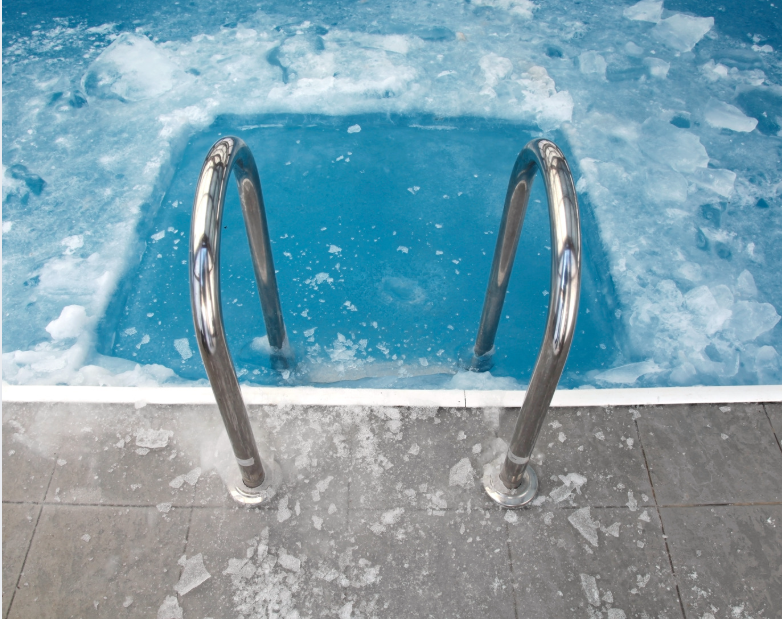
The short version is this. Keep water moving when power is on, confirm freeze protection settings before cold weather arrives, clean baskets so circulation is strong, and know how to drain exposed equipment if power goes out.
The National Weather Service Dallas Fort Worth freeze summary lists the average first freeze around November 22 and the average last freeze around March 12. Averages are useful for planning, but North Texas can still surprise you, so it is smarter to prep before the first forecasted freeze instead of waiting for the coldest night of the season.
Why freeze prep matters so much for pool equipment
When water freezes, it expands. That expansion can crack pump lids, filter housings, heater headers, valves, pipes, and unions. The damage is not always obvious while everything is frozen. Sometimes the leak shows up later when the ice thaws and the system turns back on.
That is why freeze prep has two goals.
- Keep water moving when the system has power
- Give trapped water a safe way out if the system loses power
If you already use our detailed freeze guide, keep it handy here.
What to do before the first hard freeze
Step 1: Clean the pool and empty every basket
Start with the simple stuff. Skim the pool, empty skimmer baskets, and clean the pump basket. If baskets are packed with leaves, the pump cannot move water properly. Weak circulation makes freeze protection less effective.
Step 2: Check the water level
Bring the water to around the middle of the skimmer opening. If the level is too low, the skimmer can pull air and the pump may lose prime. If the pump loses prime during freezing weather, water stops moving through the equipment.
If your water level keeps dropping and you are not sure if it is evaporation or a leak, use this guide.
Step 3: Confirm the pump primes and holds prime
Before a freeze arrives, turn the system on and make sure the pump basket fills with water and the returns have strong flow. If the pump struggles to prime on a normal day, do not assume it will behave during a freeze.
If your pump will not prime, use this guide.
Step 4: Check freeze protection settings
If you have pool automation, confirm freeze protection is enabled for the right circuits. Do not assume it is set correctly just because the system has automation. Some systems allow freeze protection on certain pumps, valves, or features, and the setup matters.
Pentair recommends enabling freeze protection on automation systems for short periods of freezing weather, and if there is no automation, running pool equipment continuously until temperatures return to normal.
Step 5: Know your valves
Look at your equipment pad before it is dark and freezing. Know which valves control the pool, spa, water features, cleaner line, and returns. If a valve is closed by accident, part of the system may not circulate.
Step 6: Protect exposed equipment where possible
Remove loose items around the pad and keep the area accessible. Insulating exposed pipes can help in some setups, but do not block ventilation around equipment that needs airflow. Avoid wrapping heaters or motors in a way that traps heat or creates a safety issue.
What to do when freezing temperatures are in the forecast
Keep the pump running if power is on
Moving water is less likely to freeze. Pentair winter storm guidance says keeping equipment on and pool pumps circulating is important during freezing temperatures.
Run all needed circuits
If you have a pool and spa combo, water needs to move through both sides. If you have water features, raised spas, or separate pumps, ask a pro which circuits should run during freeze conditions. Some features may need special attention.
Do not run the heater just because it is freezing
Freeze protection is about circulation, not heating the pool. In many systems, the heater does not automatically fire during freeze protection unless it is manually turned on. If flow is questionable, running a heater can create more problems.
Check baskets before the cold arrives
Do not wait until midnight to check baskets. If a storm or wind event fills the skimmers before the freeze, circulation can weaken right when you need it most.
Avoid unnecessary chemical changes
Freeze prep is not the time to dump in random products. Test and balance water calmly before winter weather. For chemical handling, the CDC recommends keeping pool chemicals dry, separated, in original labeled containers, and protected from mixing with other substances.
What to do if the power goes out during a freeze
This is where many homeowners get stuck. If the pump cannot run, water is no longer moving. Your goal becomes draining water from exposed equipment before it freezes solid.
Step 1: Turn power off at the breaker
If power is out or flickering, turn the equipment off at the breaker so it does not restart unexpectedly while you are working around it.
Step 2: Open the air relief on the filter
If your filter has an air relief valve, open it to release pressure. Never open a filter clamp or lid while the system is under pressure.
Step 3: Remove drain plugs from exposed equipment
Remove drain plugs from the pump, filter, heater, and other equipment that has drain points. Keep the plugs together in the pump basket so they are easy to find later.
Step 4: Open pump lids and valves to let water drain
Opening lids and valves can help trapped water escape. The goal is to reduce the amount of water sitting in equipment that can freeze and expand.
Step 5: Do not restart until you inspect
After power returns and temperatures rise, do not rush. Reinstall plugs, check O rings, refill the pump basket, and watch for leaks when the system starts.
If you are not comfortable draining equipment, call for help before the freeze arrives.
After the freeze: what to inspect before running normally
Look for cracks and wet spots
Walk the equipment pad. Look around the pump, filter, heater, valves, unions, and exposed plumbing. Some cracks only leak once thawing begins.
Check the pump lid and O ring
Cold weather can expose weak seals. If the pump lid O ring is dry, cracked, or dirty, the pump may pull air and lose prime.
Watch the filter pressure gauge
If pressure is unusual after the freeze, do not ignore it. A filter issue can lead to weak flow and cloudy water. If the gauge is high or the flow feels weak, use this guide.
Test and balance water again
After cold weather, rain, or added water, chemistry can shift. Test before making adjustments. If you need a simple refresher on chlorine, pH, and alkalinity, use this guide.
Common freeze prep mistakes to avoid
- Waiting until the first freeze warning to check equipment
- Assuming automation is set correctly without checking it
- Letting baskets stay full during freeze conditions
- Running the heater when flow is weak
- Forgetting about spa lines, water features, and booster pumps
- Leaving drain plugs scattered where they get lost
- Restarting the system after a freeze without looking for cracks or leaks
When to call Diamond Sparkle Pools
Call us if any of these sound familiar.
You are not sure if freeze protection is enabled
Your pump struggles to prime before a freeze
You have a pool and spa combo with multiple valves
You are not comfortable draining equipment if power goes out
You see leaks after a freeze
Your system turns on but flow seems weak
We are based in Wylie and serve Murphy, Sachse, Lavon, Rockwall, and surrounding North Texas communities.
Frequently Asked Questions
When should I start freeze prep in North Texas
Start before the first forecasted freeze, not after temperatures are already dropping. The Dallas Fort Worth average first freeze is around November 22, but earlier freezes can happen.
Should I run my pool pump during a freeze
If power is on and the system is safe to run, circulation is one of the most important protections. Many automation systems use freeze protection to turn on pumps when air temperatures approach freezing.
What if the power goes out during a freeze
Turn equipment off at the breaker, relieve pressure, and drain exposed equipment if you can do so safely. If you are unsure, call a pro before the freeze arrives so you know your exact setup.
Can a freeze damage my heater
Yes. Water trapped inside a heater can freeze and expand. A heater should be properly drained if power is out and circulation is not available during freezing conditions.
Do I need to cover my pool for a North Texas freeze
A cover can help with debris and surface protection, but it does not replace equipment freeze prep. Pumps, filters, heaters, valves, and plumbing still need attention.
Closing Call To Action
If you want peace of mind before the first hard freeze, Diamond Sparkle Pools can help inspect your equipment, confirm settings, and walk you through the right freeze plan for your pool. We provide dependable pool service in Wylie and nearby North Texas communities, including Murphy, Sachse, Lavon, and Rockwall.
Contact us here.