
Post Freeze Pool Equipment Checklist
Blog / What to Inspect Before You Turn It Back On
After a hard freeze in Wylie, it is tempting to walk outside as soon as the sun comes back, turn the pool system on, and move on. The equipment pad may look normal from a distance, but freeze damage does not always show itself right away.
A cracked pump fitting, damaged heater part, loose union, missing drain plug, or weak O ring may only leak once water starts moving and pressure builds. That is why the first restart after a freeze should be slow and careful.
This checklist walks you through what to inspect before you turn the system back on, what warning signs to look for, and when to call a pro before a small freeze issue becomes a bigger repair.
If you want help checking your pool after winter weather, learn more about pool service here.
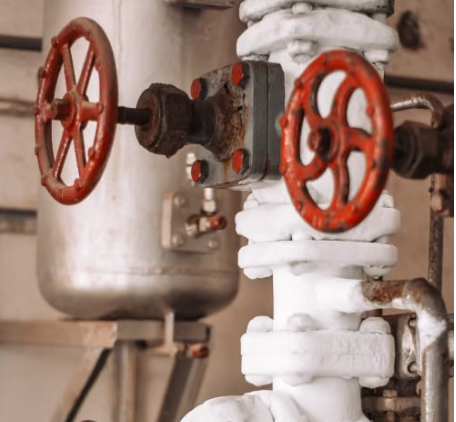
The quick answer: what to inspect after a freeze
Before turning everything back on, check the equipment pad for cracks, wet spots, missing drain plugs, loose lids, damaged O rings, unusual filter pressure, and weak return flow.
If your system lost power and you drained equipment during the freeze, make sure every drain plug is back in place before restart. If water sprays from the pad, the pump pulls air, or the system will not prime, shut it down and call for help.
Why you should not rush the restart
Freeze damage often hides until the system is pressurized. A filter housing can look fine until the pump runs. A heater can hold water during thaw, then leak when circulation starts. A pump lid O ring can look normal, then let air into the system once suction begins.
The goal is not just to make the pump turn on. The goal is to restart without forcing water through damaged parts.
If you prepared before the freeze using this guide, keep it nearby.
Step one: walk the equipment pad before touching controls
Look for obvious cracks
Start with the pump, filter, heater, valves, unions, and exposed pipe. Look closely for hairline cracks, separated fittings, split pipe, or anything that looks shifted out of place.
Look for wet spots and mineral trails
A wet spot under a union, pump, heater, or valve can mean something thawed and started leaking. White crust or mineral streaks can also show where water escaped.
Check the ground around the pad
Soft soil, pooling water, or a new puddle near the equipment pad can point to a leak that is not obvious from above.
Do not ignore a small drip
A slow drip after a freeze can become a bigger leak once the system runs longer. Small signs matter after winter weather.
Step two: confirm all drain plugs are back in place
If you removed drain plugs during a power outage, do not restart until they are installed correctly.
Check the pump plugs
Most pumps have drain plugs near the bottom of the wet end. Make sure they are reinstalled and snug, but do not overtighten.
Check the filter drain
If the filter drain plug was removed, reinstall it before restart. If the filter has an air relief valve, use it during startup to release trapped air, then close it once water flows steadily.
Check the heater drain points
Heaters can have drain plugs or unions that need attention after freeze prep. If you are not sure where they are, do not guess. A heater leak can get expensive quickly.
Stop if a plug is missing
If a plug is missing, cracked, stripped, or will not seal, do not start the pump. Running with missing plugs can flood the pad and pull air into the system.
Step three: inspect the pump before restart
Check the pump lid and O ring
Remove the lid and inspect the O ring. If it is dry, flattened, cracked, dirty, or twisted, the pump may pull air. Clean the groove and use pool safe lubricant if the O ring is still usable.
Fill the pump basket with water
Before restarting, fill the pump basket with water. This helps the pump prime and reduces dry running.
Check the basket
A cracked or warped basket can let debris reach the impeller. If the basket is damaged, replace it before it causes a bigger flow problem.
Watch for air after restart
A few bubbles at startup can be normal. Constant air in the pump basket or bubbles returning to the pool are not normal. If the pump will not prime, use this guide.
Step four: restart slowly and watch the system
Turn the pump on and stay at the pad
Do not turn the system on and walk away. Stay near the equipment for the first few minutes. Watch the pump basket, filter, heater, valves, and unions.
Listen for unusual sounds
The pump should not sound dry, grinding, or like gravel. If it does, shut it down. That sound can mean the pump is starved for water or flow is restricted.
Watch the filter pressure gauge
Once the pump primes, compare filter pressure to your normal baseline. If pressure is much higher than normal, flow may be restricted. If pressure is unusually low and returns are weak, you may have air, a clogged impeller, or a suction issue.
If filter pressure is confusing, use this guide.
Check return flow in the pool
Walk to the pool and feel the returns. You want steady flow. Weak flow after a freeze deserves attention, especially if the pump basket has air or the pressure gauge looks unusual.
Step five: inspect the heater carefully
Look around the heater before running it
Check the base, unions, drain points, and plumbing connections. A freeze can damage internal heater parts, and those leaks may only appear when water moves.
Do not fire the heater until flow is stable
Confirm the pump is primed, returns are strong, and filter pressure is reasonable before turning heat on.
Watch for error codes
If the heater shows an error, shuts down quickly, or drips when water is flowing, turn it off and call a pro.
If you are thinking about heater options for North Texas, this guide may help.
Step six: check water level and water condition
Make sure the water level is right
The water should sit around the middle of the skimmer opening. If the level is too low, the pump can pull air. If the level dropped during the freeze, check for leak signs.
Use this guide if you are not sure whether the pool is leaking or evaporating.
Skim and remove debris
Cold fronts often bring wind, leaves, and debris. Remove what you can before asking the system to run hard.
Test water before adding chemicals
After rain, freezing weather, draining, or refilling, chemistry can shift. Test before making changes. Do not add products blindly.
Common post freeze problems and what they mean
Water sprays from the equipment pad
Shut the system down. This can point to a missing drain plug, cracked fitting, broken union, or freeze damaged housing.
The pump will not prime
Check water level, baskets, pump lid, O ring, and valve position. If it still will not prime, call for service before the pump overheats.
Filter pressure is high
The filter may be clogged, a return valve may be restricted, or something may be limiting flow after restart.
Filter pressure is low and flow is weak
That can point to suction side air, a clogged impeller, low water level, or a pump struggling to move water.
A small leak appears after thawing
Do not ignore it. Freeze cracks can spread, and small leaks can become larger once the system runs longer.
What not to do after a freeze
- Do not restart without checking drain plugs
- Do not run the pump if it will not prime
- Do not fire the heater before confirming strong flow
- Do not open a filter while it is under pressure
- Do not ignore small drips on the equipment pad
- Do not add chemicals until water is circulating and tested
- Do not assume automation settings are still correct
When to call Diamond Sparkle Pools
Call us if any of these sound familiar.
- You see leaks at the pump, filter, heater, valves, or unions
- The pump will not prime after basic checks
- You removed drain plugs and are not sure how to restart
- Filter pressure looks wrong after the freeze
- The heater shows an error or drips
- Return flow is weak or inconsistent
- You want a professional post freeze inspection before running normally
We are based in Wylie and serve Murphy, Sachse, Lavon, Rockwall, and surrounding North Texas communities.
Frequently Asked Questions
Should I turn my pool pump back on right after a freeze
Only after you inspect the equipment pad, confirm drain plugs are installed, check water level, and make sure the pump can prime safely.
What if I drained my equipment during the freeze
Reinstall all plugs, close valves that were opened for draining, refill the pump basket, and restart slowly while watching for leaks.
How do I know if freeze damage happened
Look for cracks, drips, water spraying, weak flow, unusual pressure, air in the pump basket, heater errors, and wet spots around the pad.
Can a heater crack during a freeze
Yes. Water trapped inside a heater can freeze and expand. If the heater leaks or shows errors after restart, turn it off and schedule service.
Why is my pump pulling air after the freeze
Cold weather can expose weak seals, especially pump lid O rings, unions, valves, and drain plugs. Low water level can also cause air in the system.
Closing Call To Action
If your pool equipment went through a hard freeze and you want to restart with confidence, Diamond Sparkle Pools can help. We can inspect your pump, filter, heater, valves, and plumbing, then get your pool running safely again.
We provide dependable pool service in Wylie and nearby North Texas communities, including Murphy, Sachse, Lavon, and Rockwall.