
Algae in North Texas Pools: Causes, Prevention, and the Fastest Recovery Plan
Blog/ Algae in North Texas Pools: Causes, Prevention, and the Fastest Recovery Plan
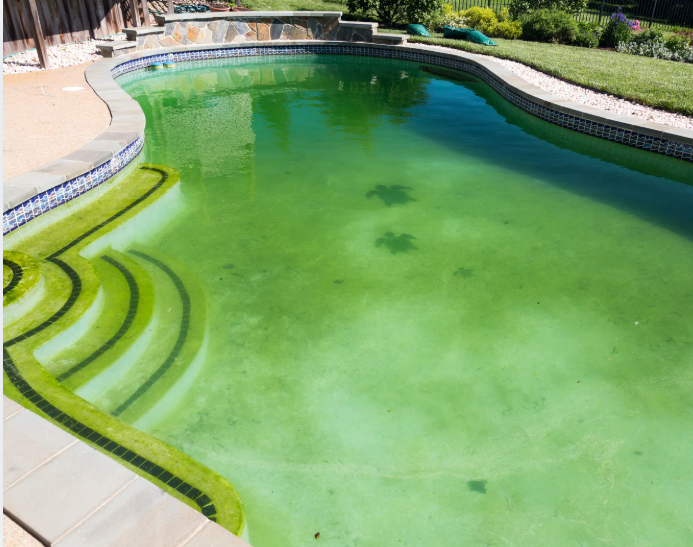
Algae is one of those problems that feels like it shows up overnight. In reality, it usually starts quietly. A shady corner, a step that does not get brushed, a weekend of heavy swimming, then a storm rolls through and chlorine drops. A few warm days later, you are staring at a green tint or slippery walls.
In Wylie and across North Texas, algae is common because heat, sun, wind, and storms push pools hard. The good news is algae is preventable, and when it does show up, you can clear it fast with the right order of operations.
If you want a pro to handle cleanup, correct chemistry, and keep it stable through the season, see Pool Service in Wylie TX here.
The Order That Works
Remove debris, clean and run filtration, brush thoroughly, then correct pH and sanitizer. Do not start with random chemicals and hope.
Why algae is so common in North Texas
Remove debris, clean and run filtration, brush thoroughly, then correct pH and sanitizer. Do not start with random chemicals and hope.
Heat and sun
Warm water and bright sun increase chlorine demand, so sanitizer can fall behind quickly.
Storms and wind
Storm debris consumes chlorine and adds fine particles that overload the filter. That combination creates perfect conditions for algae to start.
pH drift
When pH drifts too high, chlorine becomes less effective. The CDC explains why pH matters and provides recommended ranges for home pools.
Dirty filters and weak circulation
A loaded filter and poor circulation leave dead zones where algae can take hold.
Not brushing enough
Algae loves surfaces. Brushing breaks it loose so sanitizer and filtration can do their job.
The prevention plan that keeps algae away
You do not need a complicated routine. You need consistency.
Step 1: Test chlorine and pH regularly
The CDC emphasizes testing and maintaining appropriate disinfectant and pH levels for home pools.
Step 2: Keep circulation steady during hot weeks
If your pump schedule is light, algae has more opportunities to start, especially in corners and steps.
Step 3: Brush weekly, twice weekly in peak heat
Brush walls, steps, and the waterline. Pay attention to shaded areas and behind ladders.
Step 4: Keep the filter clean and track pressure
Know your clean filter pressure baseline. If pressure rises quickly, clean the filter before water quality slips.
Step 5: After storms, act fast
Skim, empty baskets, brush, and increase filtration time until clarity returns. Storm recovery is where algae prevention is won.
Most Common North Texas Algae Trigger
A storm plus low chlorine plus a dirty filter. Fix those three, and most pools stay clear.
Fastest recovery plan for algae without making a bigger mess
This is the plan we use because it is reliable and avoids creating a second problem.
Step 1: Stop the slide by removing debris first
Skim the surface, empty baskets, and vacuum any heavy debris. The more organics you remove, the less chlorine you waste.
Step 2: Clean the filter before you treat aggressively
If the filter is already dirty, algae cleanup takes much longer. Clean it, then record pressure.
Step 3: Test, then correct pH first
If pH is far off, chlorine does not perform as well. The CDC explains recommended ranges and why pH affects sanitizer effectiveness.
Step 4: Raise sanitizer appropriately, following product directions
Do not guess. Use a reliable test and follow label instructions for your sanitizer product. If you use stabilizer, keep in mind it affects how chlorine behaves. The CDC notes different minimum chlorine recommendations when cyanuric acid is used.
Step 5: Brush like you mean it
Brush walls, steps, corners, and around returns. This breaks algae loose so sanitizer can reach it. Brush daily during active cleanup.
Step 6: Run filtration longer until water clears
Keep the pump running to filter out dead algae and fine particles. Recheck baskets and filter pressure daily. Clean again if pressure rises quickly.
Step 7: Vacuum dead algae out
Once algae is dead, it often settles. Vacuum slowly so you do not stir it back into suspension.
What not to do during an algae cleanup
- Do not mix chemicals. CDC chemical safety guidance explains why this matters.
- Do not throw multiple products in at once
If you cannot explain why you are adding it, pause and test first. - Do not ignore filter pressure
A loaded filter can stall progress for days. - Do not swim in cloudy or green water
If you cannot clearly see the bottom, treat it as unsafe. - Do not assume the algae is gone after one day
You need stable readings and clear water, not just a temporary improvement.
When it makes sense to call Diamond Sparkle Pools
Call us if:
- Your pool turns green again within a week
- Your filter pressure spikes repeatedly
- The pump is losing prime or circulation is weak
- You have algae plus cloudy water that does not improve after a couple days
- You want a weekly plan that prevents the cycle
We are based in Wylie and serve Murphy, Sachse, Lavon, Rockwall, and surrounding North Texas communities. Request help here.
Frequently Asked Questions
Why does algae keep coming back
Usually because sanitizer drops low again, pH stays off, brushing is inconsistent, or the filter stays dirty. Fix the underlying cause and the repeat blooms stop.
Is algae always caused by low chlorine
Most of the time algae takes off when sanitizer is not keeping up, but high pH can make chlorine less effective. That is why testing both matters.
Can storms cause algae
Yes. Storms add debris, they dilute sanitizer, and they overload filtration. Fast cleanup right after storms is one of the best prevention steps.
Should I use algaecide
Sometimes it is helpful, but it is not a substitute for correct sanitizer, pH control, brushing, and filtration. Follow product instructions and do not mix chemicals.
How do I prevent algae in shaded steps and corners
Brush those areas more often, make sure return flow is not blocked, and keep sanitizer consistent.
Closing Call To Action
If you are dealing with algae and you want it cleared fast without guesswork, we can help. Diamond Sparkle Pools provides trusted pool service in Wylie and throughout North Texas. Request service here.
Helpful Resources
CDC Guidelines for Keeping Your Pool Safe and Healthy